Crash Barriers · 2026-04-16
When to Use Thrie Beam Over W Beam Crash Barriers
By Hitesh Lunnia · Director · 1 min read
Switch to Thrie Beam when: the section is a bridge approach or transition, horizontal curve radius is tight and design speed is high, heavy commercial vehicle traffic exceeds typical national highway mix, hill road stretches with steep drops below the carriageway, containment class specified is W5, W6 or H1, roadside hazards raise the consequence of barrier penetration.
Stay with W Beam when: divided carriageway median on flat alignment, edge of mid-height embankment, urban approach with low truck share, standard W3 or W4 containment.
A practical highway project usually mixes both: W Beam on long open stretches, Thrie Beam at bridges and curves. Auroguard supplies both with proper transition pieces, BOQ broken out by section so the contractor knows exactly which barrier is where.
Related Products
Products referenced in this guide
AG-3515
Road Safety & Highway Barriers
W Beam Crash Barrier
Standard-containment hot-dip galvanized steel dual-corrugation safety barriers engineered to MORT&H and IS:2062 specifications for highway edge lines, sharp curves, and baseline vehicular containment.
View productAG-9462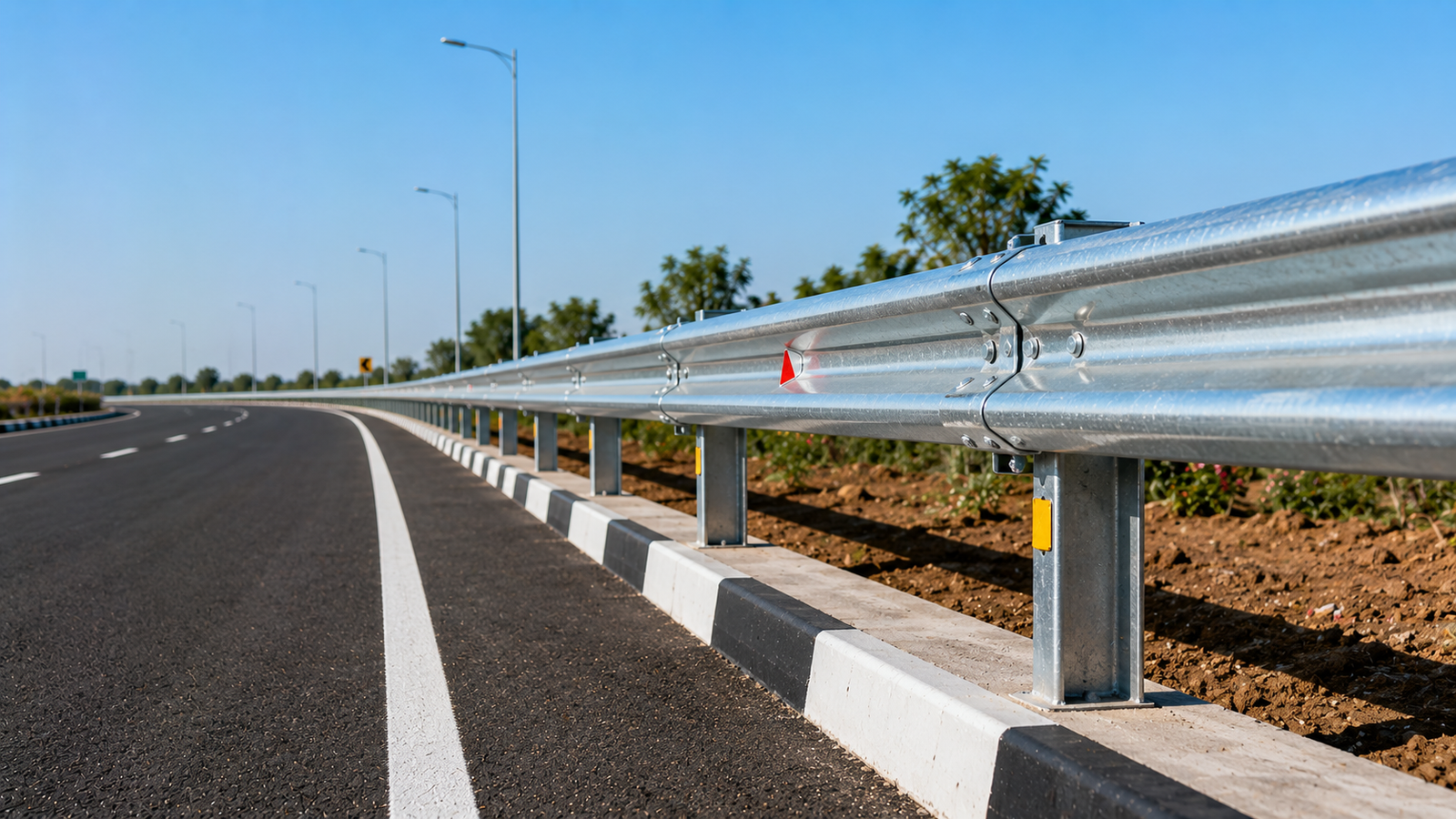
Road Safety & Highway Barriers
Guard Rail
Hot-dip galvanized steel W-beam safety guard rails engineered to MORT&H and IS:2062 specifications for roadside edge protection, embankment safety, and low-to-medium impact containment.
View productAG-5045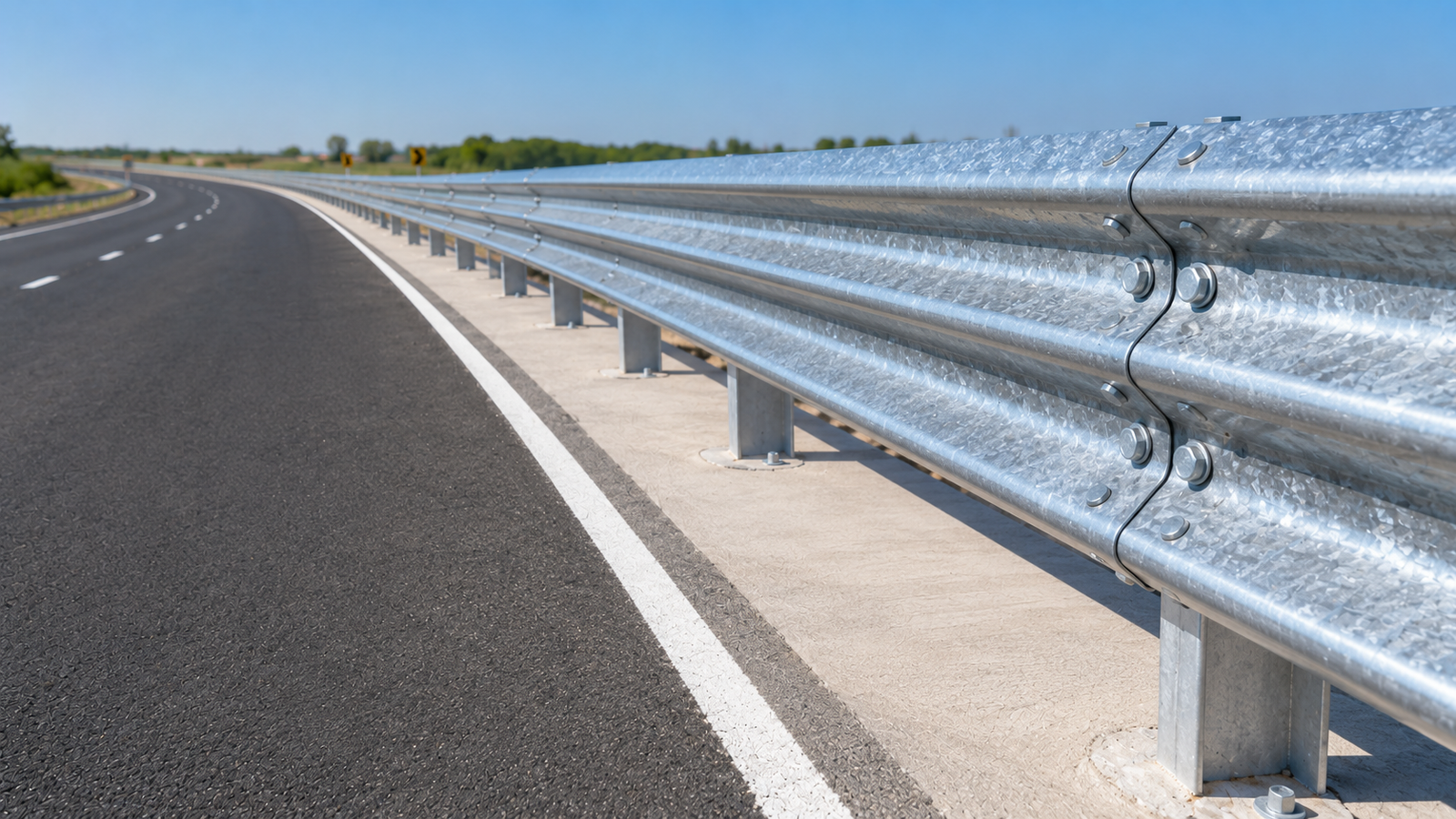
Road Safety & Highway Barriers
Highway Crash Barrier
High-containment hot-dip galvanized steel Thrie-beam and W-beam systems engineered to EN 1317 specifications for high-speed expressways, flyovers, and central median splitters.
View productAG-2751
Road Safety & Highway Barriers
Metal Beam Crash Barrier
Industrial-grade cold-rolled hot-dip galvanized steel corrugated beam panels and structural components supplied for institutional infrastructure and B2B road safety projects.
View productAG-8360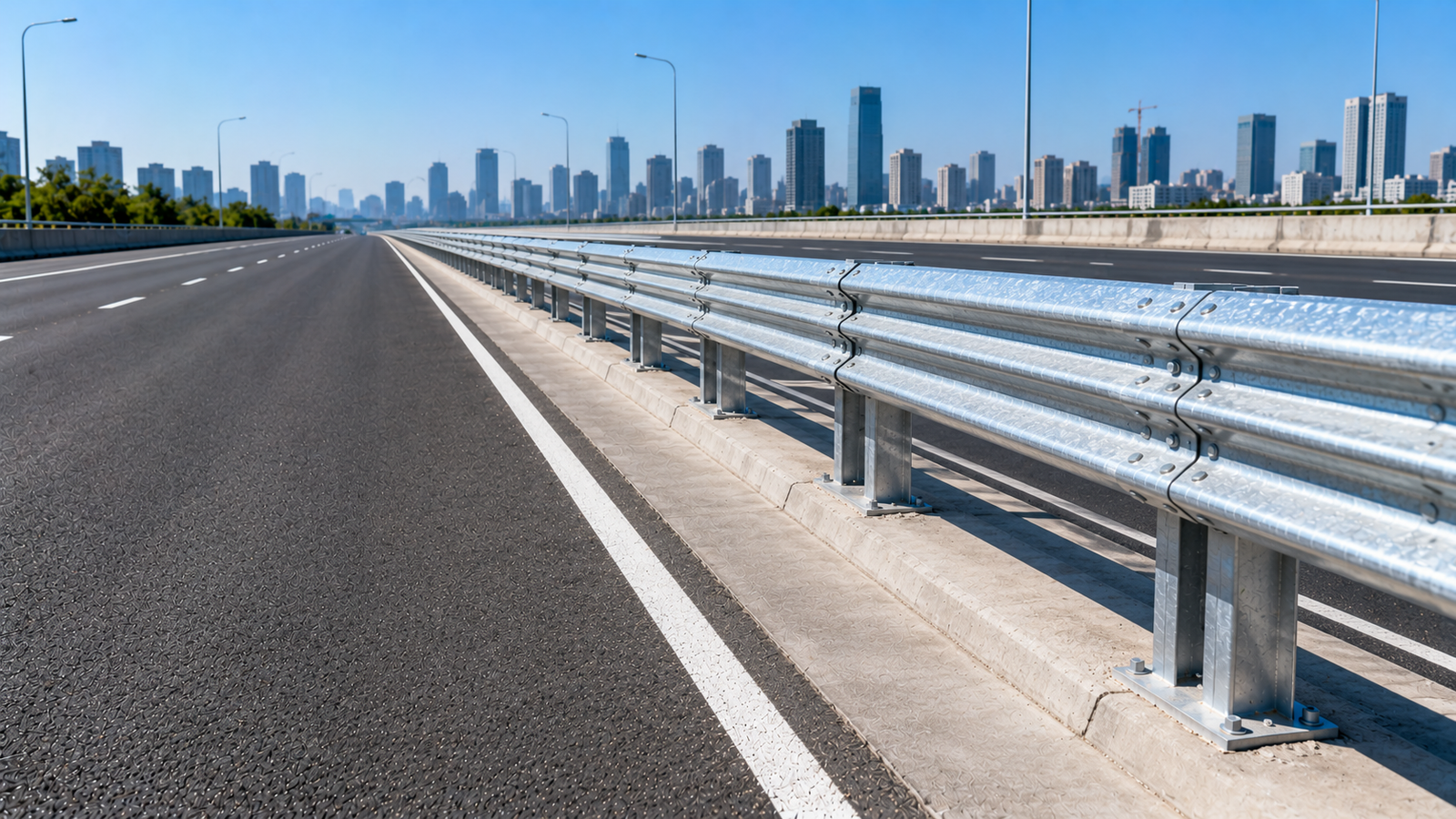
Road Safety & Highway Barriers
Thrie Beam Crash Barrier
High-containment hot-dip galvanized steel triple-corrugation safety barriers engineered to MORT&H and EN 1317 specifications for heavy vehicle containment, high-speed expressways, and high-risk impact zones.
View product
About the author
Hitesh Lunnia
Director at Auroguard Private Limited. Auroguard manufactures highway crash barriers, guardrails and geosynthetics to IRC, MoRTH and IS specifications, supplying NHAI, PWD and EPC infrastructure projects across India. This guidance reflects direct manufacturing and project-supply experience — not third-party rewriting.
Need this for a live project?
Talk to the Auroguard desk for specifications, documentation and dispatch.